


Why Green Roofing is Gaining Popularity
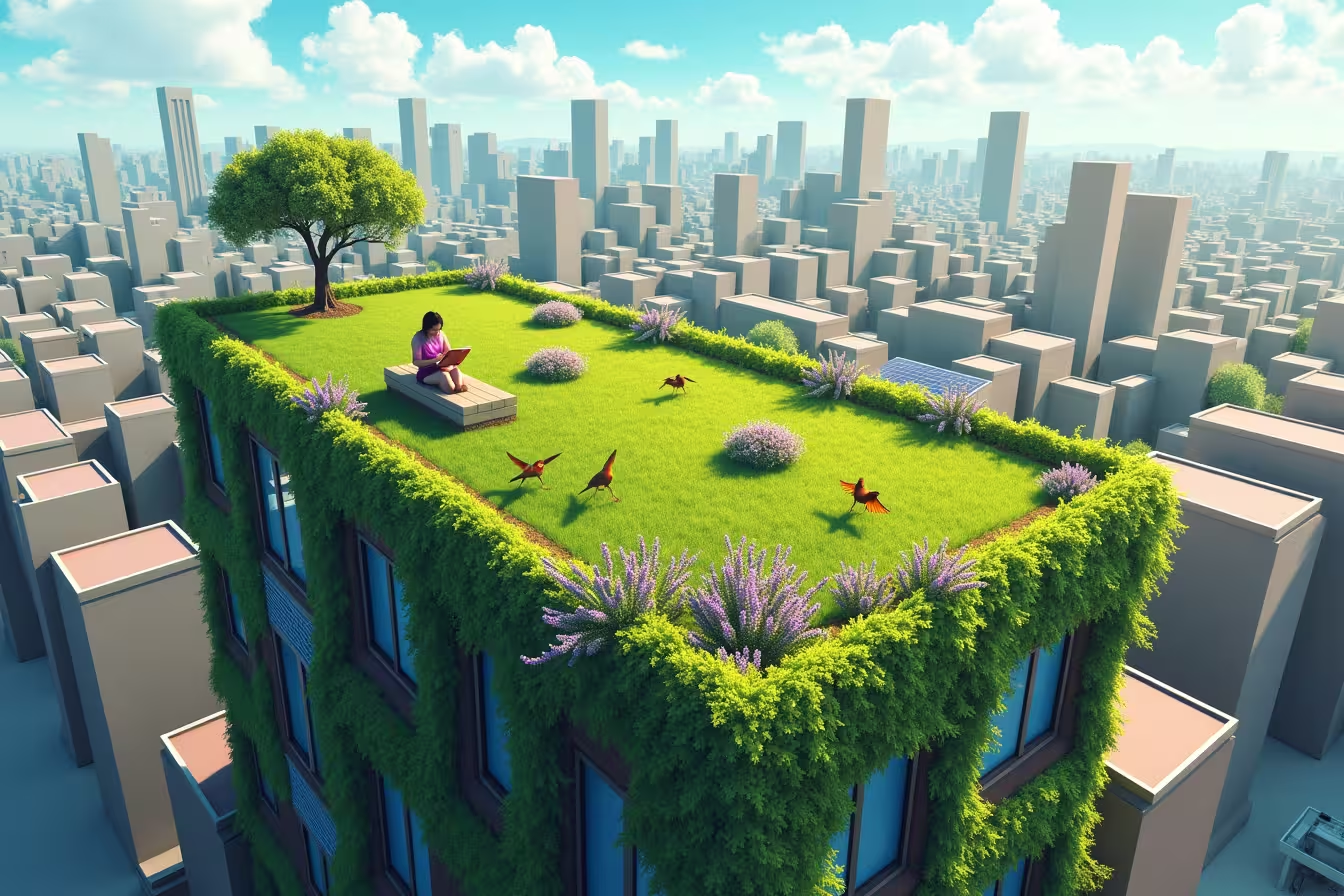
In recent years, green roofing has emerged as a revolutionary trend in sustainable architecture and eco-friendly construction. As more people become environmentally conscious and seek ways to reduce their carbon footprint, green roofing has gained significant traction. But what exactly is green roofing, and why is it becoming so popular? In this comprehensive guide, we'll explore the numerous benefits of green roofing, its costs, installation process, materials used, and how it compares to traditional roofing methods.
What is Green Roofing?
Green roofing, also known as living roofs or vegetative roofs, involves the installation of a layer of vegetation on top of a building's roof structure. This innovative roofing solution offers a wide range of environmental, economic, and aesthetic benefits. Green roofing systems typically consist of several layers, including waterproofing, root barriers, drainage systems, growing medium, and plants.
The Environmental Impact of Green Roofing
One of the primary reasons for the increasing popularity of green roofing is its positive environmental impact. As we face growing concerns about climate change and environmental degradation, green roofing offers a practical solution to mitigate some of these issues.
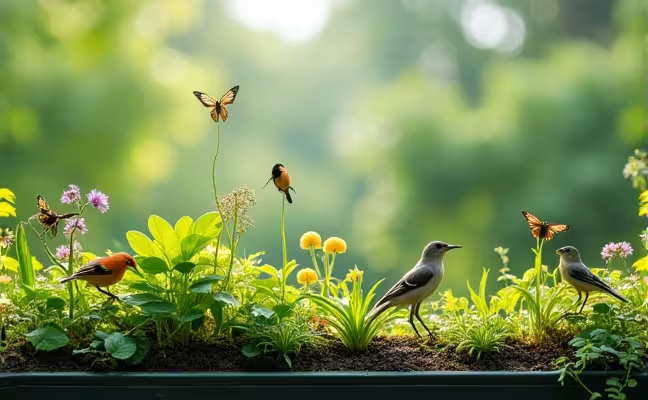
Green Roofing Benefits extend far beyond just aesthetics. These living roofs act as natural air purifiers, absorbing carbon dioxide and releasing oxygen, thereby improving air quality in urban areas. They also play a crucial role in reducing the urban heat island effect, a phenomenon where urban areas experience significantly higher temperatures than surrounding rural areas due to the abundance of heat-absorbing surfaces like concrete and asphalt.
Energy Efficiency and Cost Savings
One of the most compelling Green Roofing Benefits is its remarkable energy efficiency. Green roofs provide excellent insulation for buildings, helping to regulate indoor temperatures throughout the year. During hot summer months, the vegetation and soil layers absorb heat, keeping the building cooler and reducing the need for air conditioning. In winter, this same insulation helps retain heat, lowering heating costs.
While the initial Green Roofing Cost may be higher than traditional roofing methods, the long-term savings on energy bills can be substantial. Many building owners find that their investment in green roofing pays for itself within a few years through reduced energy consumption and lower maintenance costs.
Stormwater Management and Urban Planning
As cities grow and expand, managing stormwater runoff becomes increasingly challenging. Green roofs offer an innovative solution to this problem by absorbing and retaining rainwater. This natural water management system can significantly reduce the strain on urban drainage systems and help prevent flooding during heavy rainfall.
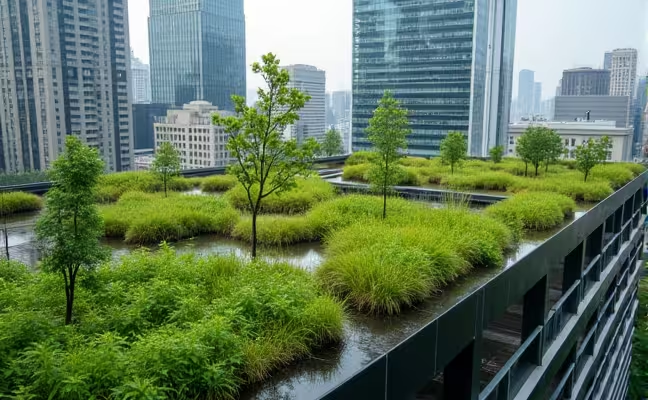
The ability of green roofs to manage stormwater effectively has made them increasingly popular in urban planning and development. Many cities now offer incentives for building owners who incorporate green roofing into their designs, recognizing the valuable role these systems play in sustainable urban development.
Biodiversity and Urban Ecosystems
In densely populated urban areas, green spaces are often limited. Green roofs provide a unique opportunity to create new habitats for plants, insects, and birds, effectively increasing biodiversity in cities. These living roofs can serve as stepping stones for wildlife, connecting fragmented habitats and supporting urban ecosystems.
The diverse plant life on green roofs not only supports wildlife but also contributes to improved air quality and reduced pollution levels in urban environments. This increase in biodiversity is one of the most significant Green Roofing Benefits, making cities more livable and environmentally friendly.
Aesthetic Appeal and Property Value
Beyond their environmental and practical benefits, green roofs offer unique aesthetic appeal. They transform dull, grey rooftops into vibrant, living landscapes that can be enjoyed by building occupants and passersby alike. In urban settings, where green space is at a premium, a roof garden can provide a welcome oasis of nature.
This enhanced aesthetic appeal can significantly increase property values. Buildings with green roofs often command higher rents and sale prices, as they offer additional usable space and demonstrate a commitment to sustainability. For commercial properties, a green roof can become a distinctive feature that sets the building apart from competitors.
How to Install Green Roofing
While the process of How to Install Green Roofing may seem daunting, it's a well-established practice with clear guidelines and best practices. The installation typically involves several steps:
- Structural assessment to ensure the building can support the additional weight
- Installation of a waterproof membrane
- Addition of a root barrier to protect the building structure
- Installation of a drainage layer
- Addition of the growing medium or soil
- Planting of vegetation
It's crucial to work with experienced professionals who understand the intricacies of green roof installation. While DIY installation is possible for small-scale projects, larger installations typically require specialized knowledge and equipment.
Green Roofing Materials
The choice of Green Roofing Materials is crucial to the success and longevity of a green roof. The materials used must be durable, resistant to root penetration, and capable of supporting plant life. Common materials include:
- Waterproof membranes (often made from modified bitumen, EPDM, or PVC)
- Root barriers (typically made from dense polyethylene)
- Drainage layers (often composed of recycled materials)
- Lightweight growing mediums (specially formulated for green roofs)
- Vegetation (selected based on climate and roof type)
The selection of appropriate plants is particularly important. Ideal plants for green roofs are those that are drought-resistant, require minimal maintenance, and can thrive in the specific climate conditions of the area.
Green Roofing vs Traditional Roofing
When comparing Green Roofing vs Traditional Roofing, it's important to consider both short-term and long-term factors. While traditional roofing may have a lower initial cost, green roofs offer numerous advantages that can lead to significant savings and benefits over time.
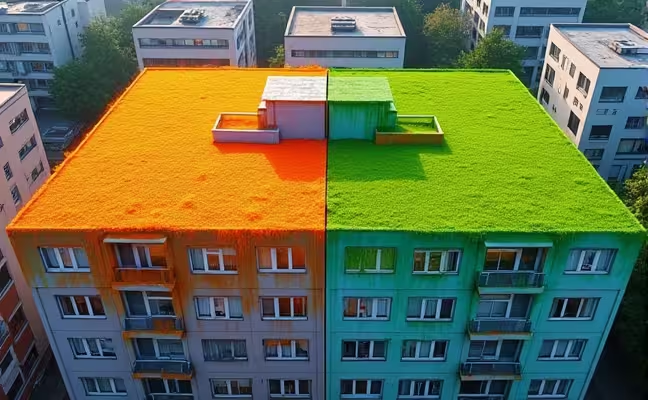
Traditional roofs typically have a lifespan of 20-30 years, while well-maintained green roofs can last twice as long. Green roofs protect the underlying roof structure from UV radiation and extreme temperature fluctuations, which are major factors in roof degradation. This extended lifespan can result in significant cost savings over time.
Additionally, green roofs offer environmental benefits that traditional roofs simply cannot match. From improved air quality to reduced energy consumption and increased biodiversity, the positive impact of green roofs extends far beyond the building itself.
Challenges and Considerations
While the Green Roofing Benefits are numerous, it's important to consider potential challenges as well. The initial Green Roofing Cost can be higher than traditional roofing, which may be a barrier for some building owners. Additionally, green roofs require more maintenance than conventional roofs, especially in the first few years as the vegetation establishes itself.
The structural requirements for green roofs are also more demanding. Buildings must be able to support the additional weight of soil, plants, and retained water. In some cases, existing buildings may require structural reinforcement to accommodate a green roof.
Despite these challenges, many building owners find that the long-term benefits of green roofing far outweigh the initial costs and considerations.
The Future of Green Roofing
As we continue to grapple with the challenges of climate change and urbanization, green roofing is likely to play an increasingly important role in sustainable building practices. Advances in Green Roofing Materials and installation techniques are making these systems more efficient and cost-effective than ever before.
Many cities around the world are now mandating or incentivizing green roofs on new buildings, recognizing their potential to mitigate urban environmental issues. As this trend continues, we can expect to see more innovative applications of green roofing technology, from urban agriculture to energy generation through integrated solar panels.
Conclusion
The rising popularity of green roofing is a testament to its numerous benefits and its potential to address some of our most pressing environmental challenges. From energy efficiency and stormwater management to increased biodiversity and aesthetic appeal, green roofs offer a multitude of advantages over traditional roofing systems.
While the initial Green Roofing Cost and installation process may seem daunting, the long-term benefits make it a worthwhile investment for many building owners. As we move towards a more sustainable future, green roofing is likely to become an increasingly common feature of our urban landscapes.
If you're considering a green roof for your property, it's essential to work with experienced professionals who can guide you through the process. That's where simpleHome comes in. As someone who has seen the transformative impact of green roofing firsthand, I can confidently say that simpleHome is an excellent resource for connecting homeowners with local professionals who specialize in green roofing and other sustainable home improvements. Whether you're ready to install a green roof or just want to learn more about your options, simpleHome can help you take the next step towards a more sustainable home.